-%E9%80%8F%E6%98%8E.png)
Psych Daily - 147

Updated: Jun 6
What My Three Rabbits Taught Me About "Eldest Daughter Syndrome" and Setting Boundaries
I have three pet rabbits.
Did you know that an adult rabbit can have the cognitive abilities of a human three-year-old?
When raised from a young age in a loving environment filled with spoken conversation, rabbits can actually read vocal tones, sense social dynamics, and understand simple commands.
Communication with them is completely barrier-free!
However, my three rabbits don't all get along.
Rabbits are highly territorial animals.
The very first thing they do when they gather is to fight for territory and establish a social hierarchy.
My first two rabbits, Dabao and Erbao, are both males.
They’ve been sworn enemies since the day they met and still cannot get along to this day.
On the other hand, Erbao and Xiaobao are a "couple."
They have a beautiful bond, and Erbao constantly accommodates Xiaobao’s every whim.
Because Xiaobao has a relatively gentle personality and is female, we had a sudden spark of inspiration: why not see how Dabao and Xiaobao get along?
At first, Dabao and Xiaobao were incredibly polite and respectful to one another.
I felt like I had discovered a whole new world!
It turns out rabbits can show mutual courtesy,
defying the usual stereotype of constant fighting.
But within a few days, Xiaobao started "bullying" Dabao.
As Dabao has grown older, he has lost his aggressive edge.
When Xiaobao picked on him, he just looked confused and utterly bewildered.
My family thought that as the "big brother,"
it was only right for him to yield and be gentle.
To them, this was a perfect outcome. And that was that.
But it didn't sit right with me.
Just because he is the eldest, he is expected to tolerate being bullied and always give in?
Who was looking out for Dabao's feelings?
Mirroring the "Eldest Daughter Syndrome"
As I reflected on why this situation made me so uncomfortable,
I realized I was projecting my own experiences as the eldest daughter in my human family.
Growing up, I was always taught to be the filial, accommodating one.
If the younger siblings did something wrong, it was because the eldest hadn't set a good example.
This "Eldest Daughter Syndrome" is often taken for granted in families.
No one expresses gratitude for it, and no one validates the feelings of the person making the sacrifices.
To break this cycle in my own home,
I made a conscious effort to acknowledge Dabao’s accommodation,
ensuring he felt valued and treated fairly.
Today, all three rabbits are incredibly close to me.
More importantly, this reflection changed how I treat myself.
I have started saying "no" to things I cannot handle or that force me to compromise my well-being.
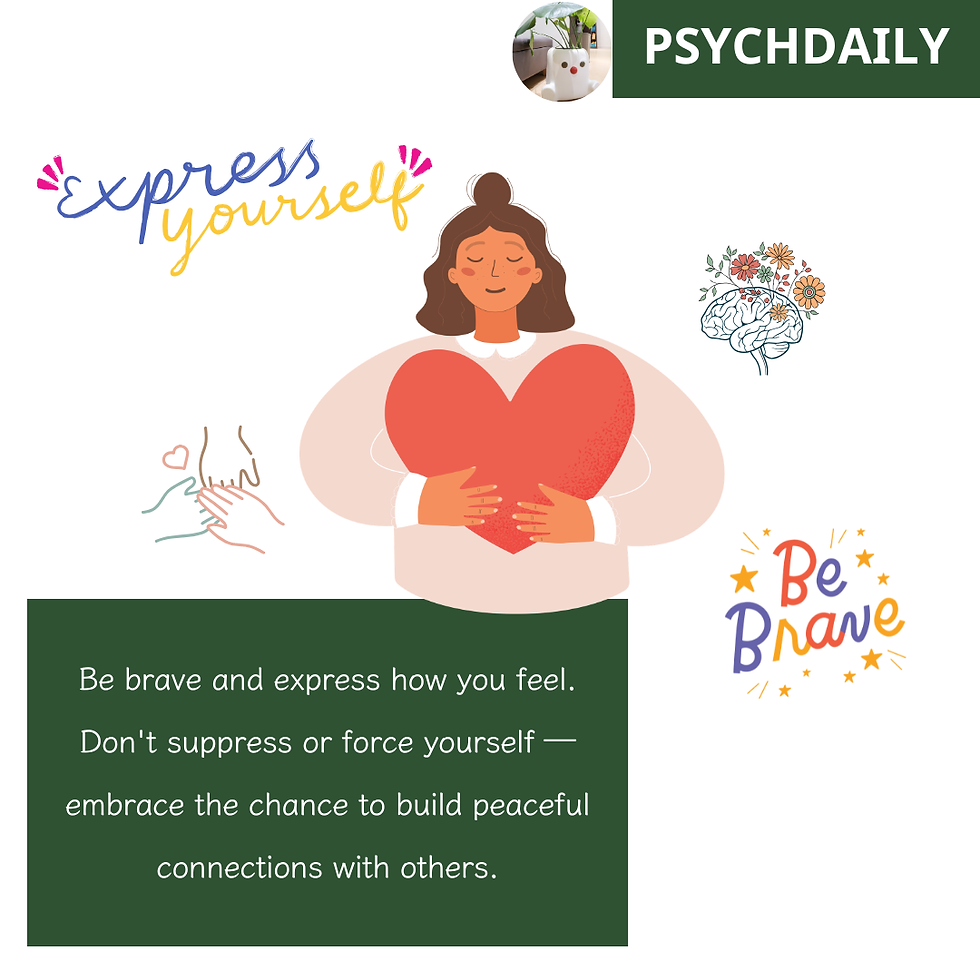
I am learning to bravely emphasize and express my own feelings.
When I feel undervalued, I express my sadness constructively without starting a fight.
Thanks to these adjustments, we are all able to coexist peacefully—at least for now.
I hope my rabbits can continue to find their own harmony moving forward, too.


Comments